How Assist-to-Turnover Ratios Inform Prop Selections in Professional Basketball
Kai Peters · Aug 10, 2026
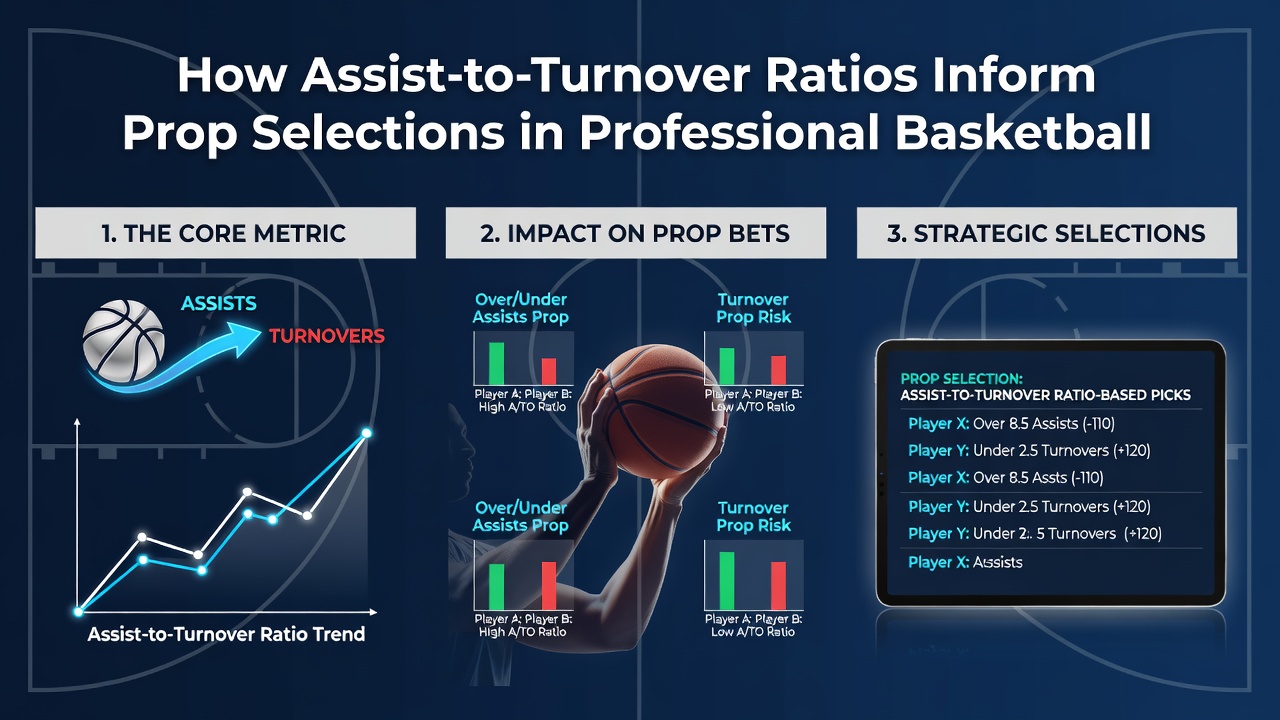
How Assist-to-Turnover Ratios Inform Prop Selections in Professional Basketball
Analysts track the assist-to-turnover ratio as a core indicator of playmaking efficiency across NBA rosters, and this metric divides a player's total assists by their turnovers to reveal how effectively they distribute the ball without losing possession. Teams compile these figures from official box scores, and data from the 2025-26 regular season shows point guards maintaining ratios above 3.5:1 often deliver consistent assist lines in prop markets. Observers note that this ratio connects directly to prop selections because higher values correlate with sustained floor time and reduced substitution patterns during high-leverage stretches.
Calculating and Interpreting the Ratio
League statisticians calculate the assist-to-turnover ratio by dividing assists by turnovers for each qualifying player, then they adjust for minutes played and pace to enable cross-team comparisons; a player who records 8 assists and 2 turnovers produces a 4.0 ratio while another with identical assists but 4 turnovers drops to 2.0. Researchers at sports analytics centers emphasize that ratios above 3.0 typically signal elite ball security, whereas those below 1.5 flag elevated risk of negative plays that can suppress scoring props. Figures from the past decade indicate that teams prioritizing high-ratio creators generate more transition opportunities, which in turn lifts individual over props on assists and points created.
Seasonal Patterns and Prop Correlations
Throughout the 2025-26 campaign, data sets released by the league office reveal that players sustaining ratios above 3.2 posted assist props that hit the over at a 54 percent clip when set at their season averages. Those who dipped below 2.5 saw their assist lines go under more frequently because turnovers triggered faster opponent transitions and shorter bench minutes. Prop markets adjust lines accordingly during the August 2026 offseason window, when oddsmakers incorporate full-season ratio trends into initial 2026-27 projections for returning starters.
Application to Specific Prop Types
Betting lines on player assists respond most directly to ratio movements because each turnover reduces future distribution chances while each assist reinforces usage within the offense. Points props also shift when high-ratio players remain on the floor longer, since efficient creators keep possessions alive and increase shot attempts for teammates who convert at higher rates. Rebound props gain indirect support as well, since fewer turnovers limit second-chance opportunities for opponents and allow teams to reset defensively without extra fatigue.
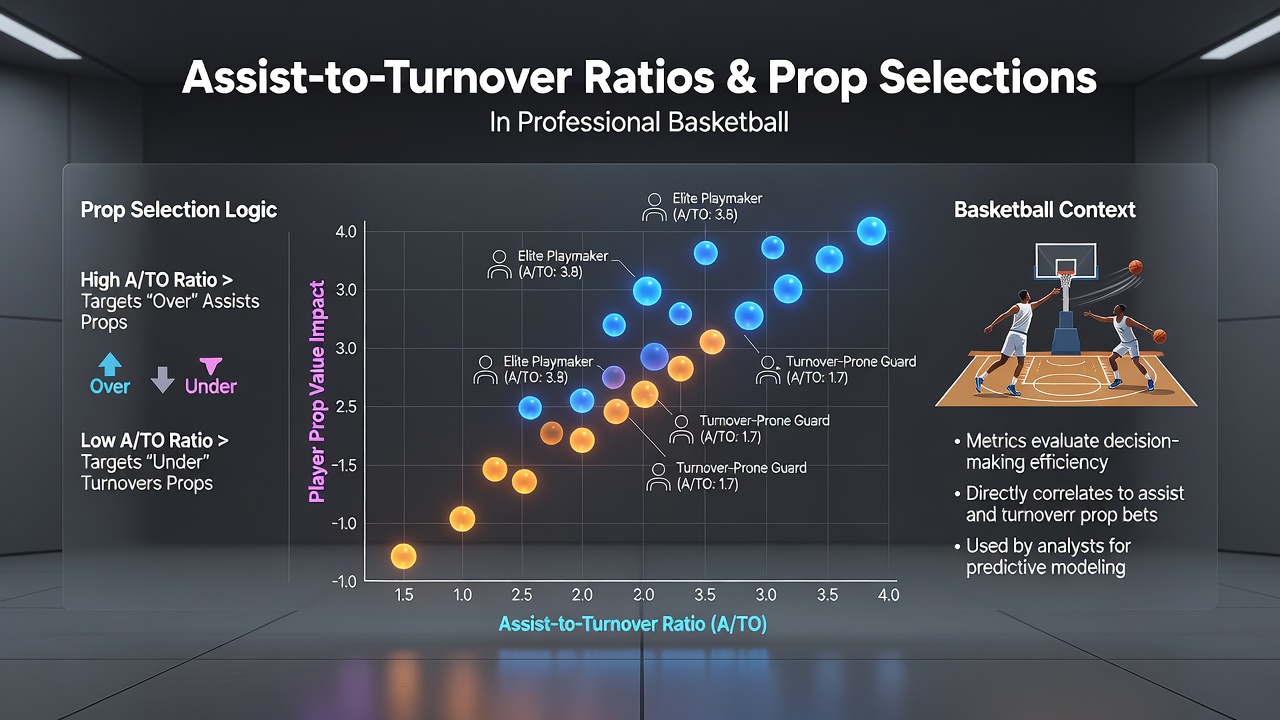
One study released by a North American university sports research group examined 1,200 player-games across two seasons and found that a 0.5 increase in assist-to-turnover ratio raised the probability of clearing an assist prop by 7 to 9 percentage points when minutes stayed constant. Complementary metrics such as usage rate and true shooting percentage refine these edges further, yet the core ratio remains the primary filter analysts apply before layering additional variables.
Team Context and Lineup Adjustments
Coaching staffs that deploy multiple high-ratio creators together often post elevated team assist totals, which lifts individual prop ceilings for each participant because defensive rotations stretch thinner. Conversely, lineups featuring low-ratio ball handlers experience compressed assist opportunities as turnovers cluster and force quicker resets. League tracking data through mid-2026 demonstrates that teams with collective ratios exceeding 2.8 generate 4.2 more assists per game than those below 2.2, a gap that directly influences over/under decisions on combined player props.
Limitations When Using the Metric
Assist-to-turnover ratios carry reduced predictive power during back-to-back sets or after long travel because fatigue elevates turnover rates even among efficient creators. Position-specific benchmarks also matter, since centers rarely post ratios above 2.0 yet still contribute meaningful secondary assists that props sometimes overlook. Analysts therefore combine the ratio with pace-adjusted figures and opponent defensive efficiency to avoid over-reliance on a single number.
Conclusion
Assist-to-turnover ratios supply a measurable foundation for evaluating NBA prop selections by quantifying ball security relative to creation volume, and ongoing league data collection continues to sharpen these correlations season after season. Teams, oddsmakers, and researchers apply the metric alongside complementary statistics to refine projections, while players who sustain elevated ratios across multiple campaigns demonstrate repeatable edges in assist and points markets. The approach remains grounded in official box-score inputs and adjusted for contextual factors that shape nightly outcomes.