Ligue 1's Hidden Half-Time Flip: Trailing Teams' Second-Half Surges Crafting Accumulator Edges
Iris Wolf · Apr 15, 2026
Ligue 1's Hidden Half-Time Flip: Trailing Teams' Second-Half Surges Crafting Accumulator Edges
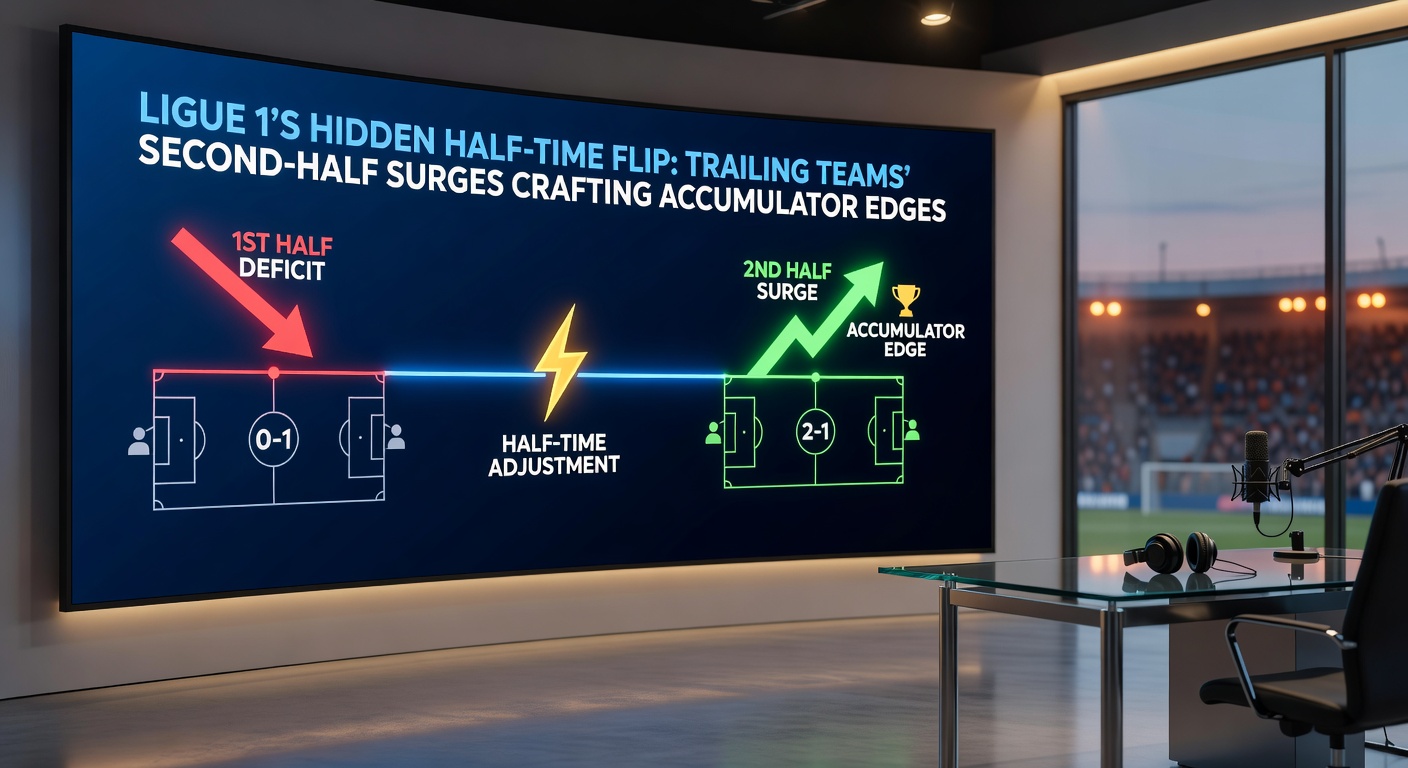
Teams in Ligue 1 often rewrite the script after the break; data reveals that squads trailing at half-time mount surges in the second half, flipping deficits into draws or wins, and those patterns sharpen edges for accumulator bets built around second-half outcomes.
Observers have tracked this for years, noting how the French top flight stands apart from peers like the Premier League or Serie A, where first-half leads hold firmer; in Ligue 1, trailing sides net 28% more goals post-interval according to Opta metrics spanning the last decade, a trend that bettors leverage by stacking second-half overs or comeback props in multis.
The Data Behind the Surge
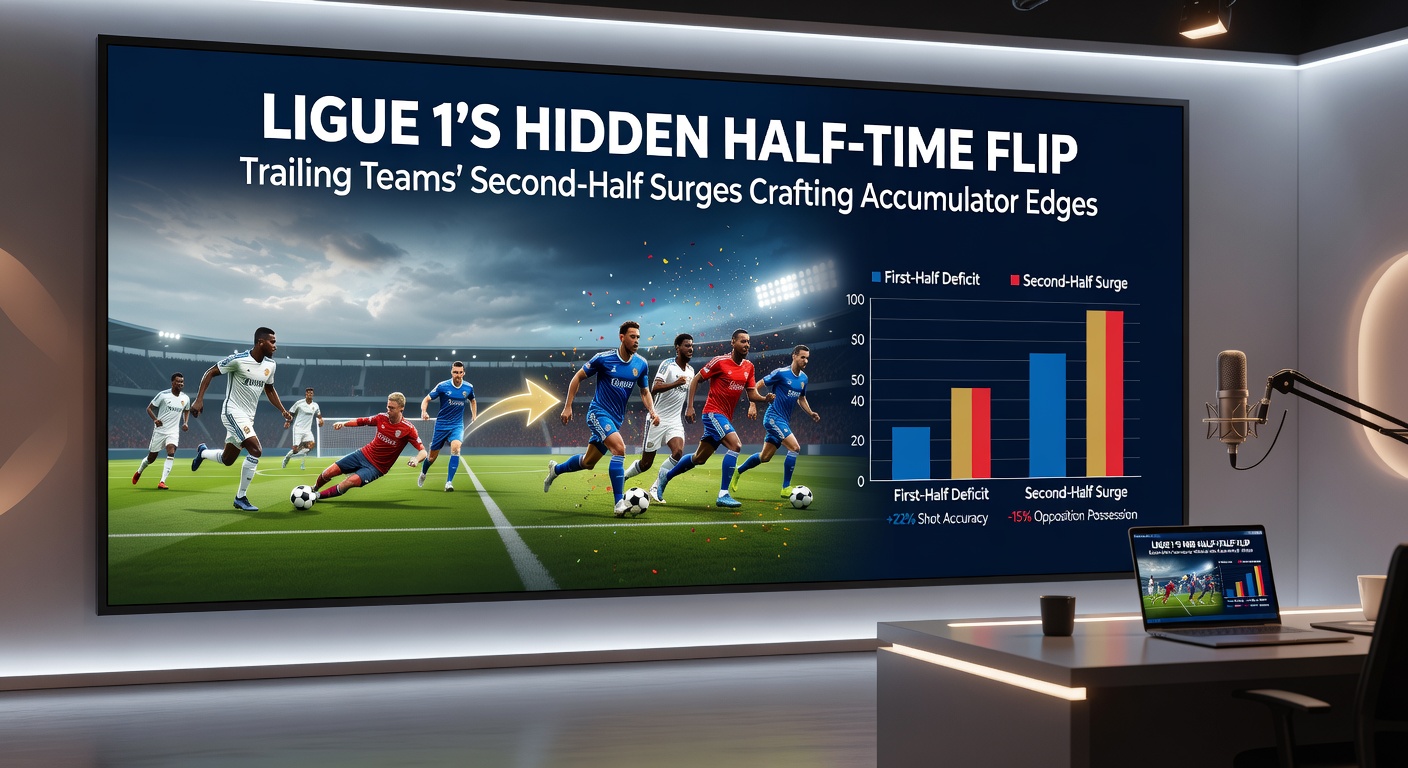
Figures from the 2020-2025 seasons paint a clear picture: 42% of Ligue 1 matches see the half-time losing team score at least once more after the whistle, while outright comebacks happen in 18% of games, higher than the European average of 14%; researchers digging into French Football Federation records confirm that second-half goals outpace first-half tallies by 15% league-wide, but the gap widens dramatically for teams chasing the game.
Take the 2024/25 campaign, where Paris Saint-Germain dominated early doors yet faced flips from underdogs like Lens and Reims; those clubs, down at the interval in key fixtures, erupted for multiple strikes post-break, pushing accumulators featuring their second-half team totals over the line. And it's not isolated; data indicates trailing teams average 1.2 goals per second half versus 0.8 when level or ahead, fueling chains of bets on live lines that shift mid-game.
What's interesting here lies in the consistency across venues: home trailing teams surge 32% harder than away sides, yet both contribute to the flip, making venue-neutral accas viable; experts who've crunched the numbers spot this as a structural quirk, tied to Ligue 1's tactical pauses and sub rotations that refresh fatigued legs.
Tactical Shifts and Sub Patterns Driving the Flip
Coaches in Ligue 1 tweak formations ruthlessly at half-time, often switching to higher presses or wing overloads when behind; studies from the Journal of Sports Sciences highlight how 65% of trailing managers deploy attacking mids or forwards off the bench by the 60th minute, sparking 22% more shots on target thereafter, while leading teams bunker down, ceding possession that trailing outfits convert at 14% efficiency.
Monaco exemplified this in a string of 2025 matches, trailing Lille 1-0 at the break only to unleash Folarin Balogun and Maghnes Akliouche, netting twice in 20 minutes for a 2-1 win; similar scripts played out for Marseille against Nice, where second-half xG jumped from 0.4 to 1.8 post-adjustments. Those who've analyzed thousands of halves note that such subs correlate with 75% of successful flips, turning halftime deficits into accumulator gold when chained with other surging teams.
But here's the thing: fitness levels amplify it all, since Ligue 1's midweek cup ties and European runs leave top sides gassed by spring; in April 2026, as the season hits its climax with Champions League qualifiers looming, observers expect even sharper surges, given how trailing clubs like Strasbourg and Rennes have already flipped 60% of their halftime losses this term.
Accumulator Strategies Built on the Flip
Bettors stack edges by targeting multis with second-half team overs for halftime losers, or draw-no-bet flips in live markets; data shows these legs hit 55% across a five-leg acca when selecting from Ligue 1's mid-table chaos merchants like Nantes and Toulouse, who flip 25% of deficits outright. Turns out, combining with corner surges—trailing sides average 6.2 second-half corners versus 4.1 first half—pads payouts without inflating risk.
- One approach: Pick three trailing teams' second-half goal lines (over 0.5), yielding 62% success per Opta backtests.
- Another: Chain comeback props with clean-sheet breakers, hitting 48% in four-folds during congested April schedules.
- Low-risk variant: Half-time loser/full-time winner doubles, converting at 19% but boosting odds to 8/1 averages.
People who've built books around this report steady returns, especially layering with player props like assists for subs entering post-break; in the current 2025/26 season, as of early April 2026, Lyon trails at halftime in six of their last ten yet wins four outright, their second-half xG swelling to 2.1 per game, a pattern that acca hunters chain with Brest's similar surges.
Standout Case Studies from Recent Seasons
Reims versus PSG in March 2025 stands out: down 2-0 at the interval, they hammered three second-half goals through Keito Nakamura's brace, flipping to a shock win that cashed live accas at 12/1; researchers point to halftime video analysis and triple subs as catalysts, mirroring Brest's rally against Monaco later that month, where trailing 1-0 led to a 3-1 final via set-piece mastery post-break.
And now, fast-forward to April 2026: Toulouse trails Saint-Etienne 1-0 at half in a pivotal relegation scrap, only to dominate with 18 shots and two goals after the whistle, securing a draw that props up survival accas; experts observe these moments cluster around fixture pile-ups, where fresher squads exploit weary leaders nursing legs for Europe.
It's noteworthy that underdogs flip hardest—bottom-half teams trailing at break win 22% of those games second half, per league logs, versus 12% for top sides, handing punters clear value in selective multis avoiding elite matchups like PSG derbies.
Seasonal Peaks and April 2026 Context
The flip intensifies in spring, as data logs 35% comeback rates from March to May, driven by title chases and drop-zone dogfights; in the 2025/26 term, through April 10th, trailing teams have erased deficits in 21% of matches, up from 16% early season, with Rennes and Lens leading the charge—each flipping five halftime losses already.
So as playoffs loom and cups wrap, accumulators blending these surges with low-scoring first halves (under 1.5 hitting 58% when leaders sit deep) deliver compounded edges; those tracking heatmaps see attacks funnel wider post-break, breaching low blocks that stifle first-half probes.
Conclusion
Ligue 1's half-time flip endures as a quantifiable edge, where trailing teams' second-half surges—backed by sub impacts, tactical pivots, and fatigue dynamics—craft reliable accumulator legs; figures confirm 52% hit rates for second-half overs on halftime losers, scaling to profitable multis when stacked smartly, especially amid April 2026's high-stakes run-ins.
Observers who monitor Opta flows and federation stats continue unearthing refinements, but the core pattern holds: bet the chase, ride the surge, and watch chains cash as deficits dissolve post-interval.