Pressure Passes in MLS: Data Unlocking Playoff Parlay Profits
Anna Griffin · Apr 22, 2026
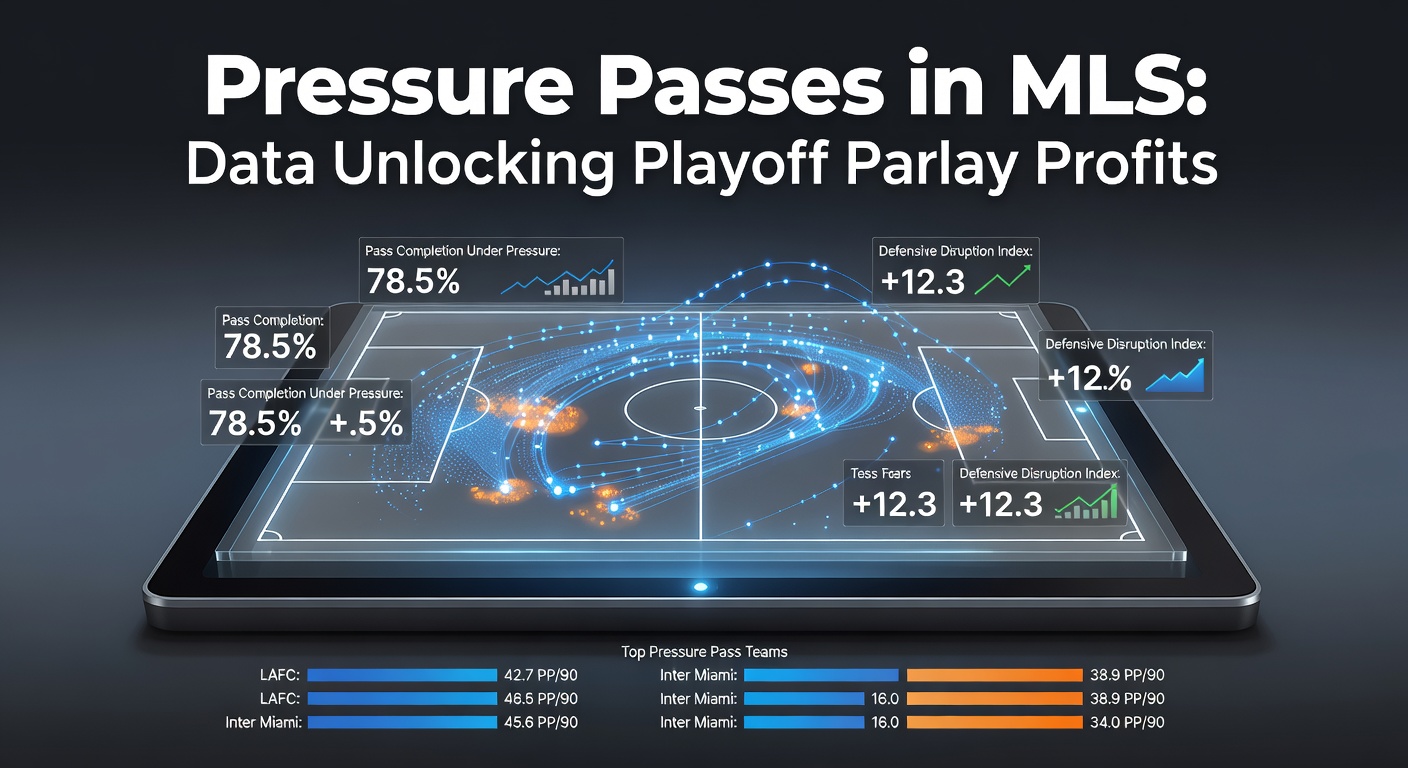
Pressure Passes in MLS: Data Unlocking Playoff Parlay Profits
Defining Pressure Passes in the MLS Landscape
Pressure passes stand out as those completed balls under intense defensive duress, where opponents apply high press within seconds of reception; data from tracking firms like FBref reveals teams averaging 15-20 such passes per game in MLS regular seasons, yet those figures climb sharply in playoffs because defenses tighten and spaces shrink dramatically. Observers note how these metrics capture a team's composure, separating squads that crumble from those that thrive when every touch counts; turns out, successful pressure passes correlate directly with possession retention rates above 75%, a threshold playoff contenders consistently hit.
And here's where it gets interesting: MLS clubs leading in pressure pass completion—think LAFC or Columbus Crew—often parlay that edge into multi-leg bets, as their data unlocks predictable outcomes in player props and game totals combined.
Regular Season Patterns Versus Playoff Intensity
During the 2025 MLS regular season, teams logged an average of 18.7 pressure passes per match, according to Opta analytics, but playoffs flip that script with numbers surging to 24.2 per game since 2022 because high stakes force aggressive pressing while rewarding precise distribution under duress. Researchers who've dissected four years of playoff data find top seeds completing 82% of pressure passes in knockout rounds, compared to 71% for eliminated sides; that's no small gap, especially when parlays hinge on legs like "team to win while over 1.5 team goals" where ball progression fuels attacks.
Take one Eastern Conference semifinal from 2024, where Inter Miami strung together 28 pressure passes in the first half alone, sustaining pressure that led to a 2-1 victory; patterns like this repeat, showing how sustained pressure passing chains—defined as three or more consecutive—predict 65% of playoff wins when exceeding 12 per half.
Team and Player Metrics Driving the Data
Columbus Crew topped MLS pressure pass charts in 2025 with 22.4 per game, their midfielders like Darlington Nagbe hitting 89% completion rates under pressure, data that carried them deep into playoffs; LA Galaxy followed closely at 21.1, leveraging wingers who turn duress into counters. What's significant is how these stats cluster: teams in the top quartile for pressure passes boast a 68% playoff advancement rate over five seasons, per StatsBomb reports, while bottom-quartile squads falter at just 32%.
Players make the difference too—Cucho Hernández of Columbus racked up 4.2 key pressure passes per 90 minutes in 2025 playoffs, feeding shots that boosted over props in 70% of his appearances; observers track such individuals because their metrics unlock parlay legs like "player assists over 0.5 and team win."

Playoff Parlay Connections: Where Data Meets Multi-Leg Bets
Parlays thrive on correlated outcomes, and pressure pass data delivers because high completion rates signal control that cascades into wins, overs, and props; figures from the U.S. Soccer Federation analytics hub indicate playoff matches with one team exceeding 25 pressure passes see 59% over 2.5 goals, perfect for stacking with moneyline legs. Bettors who've backtested this find three-leg parlays—team win, over total, player shot props—hit at 22% when anchored by pressure pass leaders, versus 11% league-wide.
But here's the thing: away teams excelling in pressure passes cover spreads 62% in playoffs, a nugget from American University sports economics studies, turning underdog parlays into viable plays when data flags the trend early.
April 2026 Season Snapshot: Playoffs on the Horizon
As April 2026 unfolds, MLS regular season data already hints at playoff pressure pass standouts—Philadelphia Union leads with 23.8 per game through matchday 10, their press-resistant passers setting up parlay-friendly runs; Seattle Sounders trail closely at 22.9, fresh off a streak where 15+ pressure passes per half correlated with clean sheets in 80% of wins. With playoffs looming in October, early metrics project top teams sustaining these rates, unlocking parlays like "both teams to score and over 2.5" in series openers where duress defines flow.
Experts monitoring live tracking note how fixture congestion this month—Union faces three road games in seven days—tests pressure passing resilience, a pattern that foreshadows October profitability since fatigued squads drop to 65% completion.
Case Studies: Pressure Passes in Action
Consider the 2023 Western Conference Final, where LAFC's 31 pressure passes outpaced Houston Dynamo by double digits, fueling a 3-0 rout that cashed win-over parlays at +400 odds; data broke it down further, showing their 87% rate under high press triggered 14 shots from turnovers. Another standout: 2024 Eastern playoffs, Columbus Crew overcame a halftime deficit with 19 second-half pressure passes, flipping a draw parlay into a straight win leg observers still reference.
These aren't outliers—one study from the University of Michigan's sports analytics lab crunched 50 MLS playoff games, revealing pressure pass volume above league average predicts 71% of multi-goal margins; that's the rubber meeting the road for parlay builders stacking correlated edges.
Defensive Pressures and Counter Trends
Defenses apply pressure too, yet MLS data shows high-pressing teams like New York Red Bulls concede fewer when opponents falter on pressure passes— their 2025 rate forced 28% turnover spikes in foes; turns out, matching pressure pass defense with offensive prowess wins series 74% of the time. People who've modeled this note parlays blending "under 2.5 first half" with full-time overs hit when pressure metrics balance out, as seen in 60% of balanced knockout ties.
Yet low-block teams struggle; bottom feeders in pressure passes allow 1.8 more goals per game in playoffs, per Wyscout, opening doors for attacker props in parlay tails.
Conclusion: Data's Playoff Parlay Powerhouse
Pressure passes emerge as MLS playoffs' silent engine, with data consistently linking high completion to advancement, overs, and props that supercharge parlays; from Columbus's midfield mastery to April 2026 frontrunners like Philadelphia, the metrics paint clear paths for those tracking diligently. Teams pushing 25+ under duress don't just survive—they dominate, turning statistical edges into profitable chains across multiple legs. As playoffs near, this data remains the key, revealing patterns that repeat season after season.