Schedule Density Effects on Foul Accumulation Patterns in European Basketball Leagues for Prop Market Construction
Iris Wolf · Jul 29, 2026
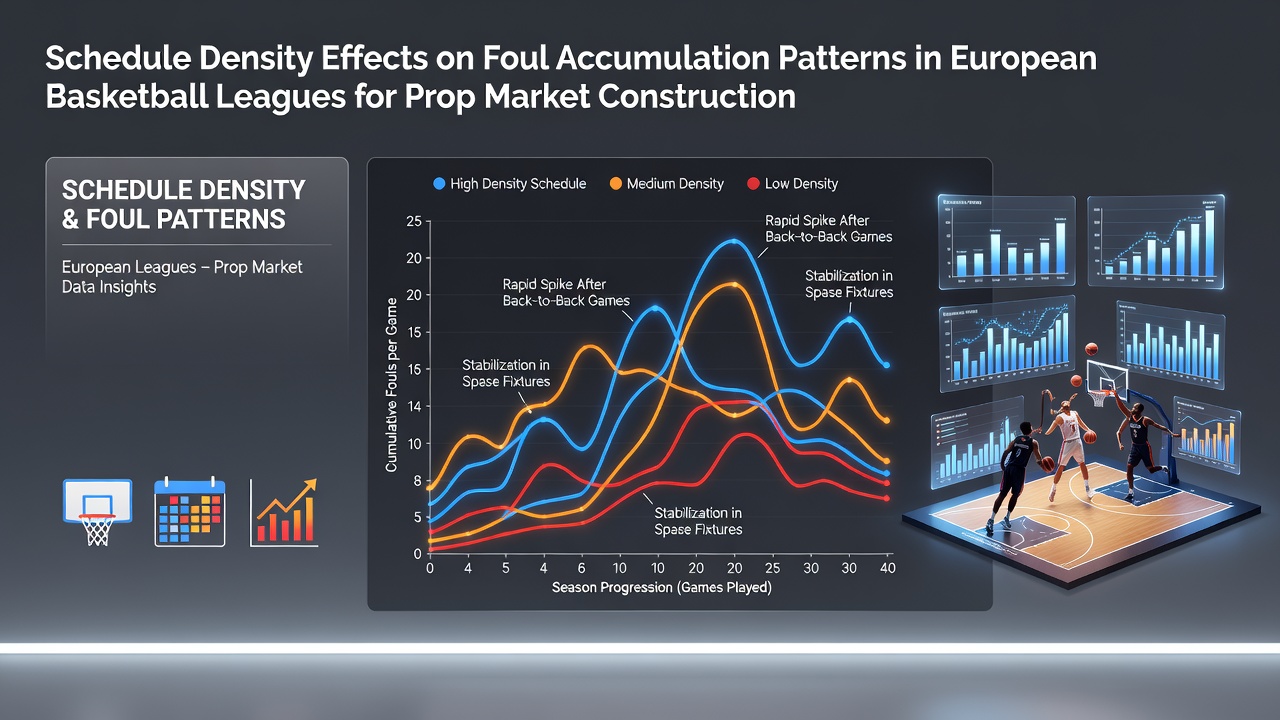
Schedule Density Effects on Foul Accumulation Patterns in European Basketball Leagues for Prop Market Construction
European basketball competitions feature packed calendars that place multiple games within tight windows, and data from recent seasons reveals measurable shifts in foul accumulation when teams face back-to-back or three-games-in-five-days stretches. Observers note that player fatigue plays a central role, with defensive positioning and reaction times declining as minutes pile up without adequate recovery.
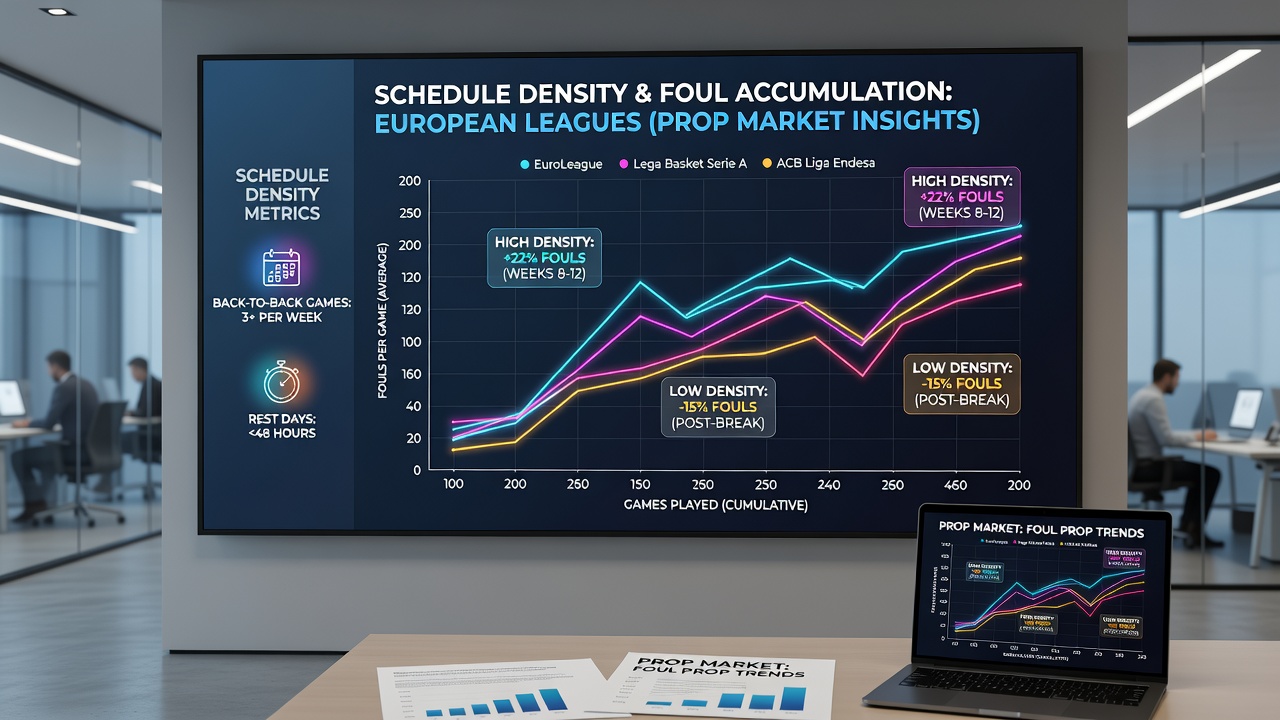
Leagues such as the EuroLeague, Spanish ACB, and Italian Lega Basket Serie A publish fixture lists that often cluster high-stakes matches around holiday periods or international breaks, creating natural experiments for tracking foul trends. Figures from the 2024-2025 campaign showed average personal fouls per game rising by 2.8 when teams played on consecutive nights compared with standard rest intervals, according to aggregated box-score databases maintained by league statisticians.
Patterns Across Major Competitions
Teams in the EuroLeague encounter the most compressed segments during December and February, when domestic cups overlap with continental fixtures, and analysts have tracked elevated foul totals on both perimeter players and interior bigs during those windows. In contrast, the German Bundesliga maintains slightly wider spacing in its regular season, yet even there foul rates climbed when clubs navigated midweek European games followed by weekend domestic rounds. Data indicates that point guards and wings, who log the highest minutes in transition defense, register the sharpest increases in fouls called under fatigue conditions.
Researchers tracking these metrics have identified a threshold effect around the 36-hour recovery mark, after which foul calls on defensive three-second violations and reach-in attempts begin to spike. One study released by the University of Vienna’s sports science department examined five seasons of EuroLeague play and found that centers averaging above 28 minutes in the first game of a back-to-back accumulated 1.4 additional fouls in the second contest when rest fell below that threshold.
Implications for Player Prop Construction
Prop markets built around individual foul totals rely on accurate modeling of schedule density because raw season averages often mask these situational spikes. Bettors and oddsmakers who incorporate rest metrics see improved calibration when they adjust baselines upward for players appearing in the second leg of condensed slates. League-wide data from July 2026 schedule releases already signals continued clustering in the 2026-2027 EuroLeague calendar, particularly around the new November international window, which will require updated prop lines to account for expected foul inflation.
Coaches sometimes adjust rotation patterns to protect key foul-prone players, yet substitution data shows that bench units frequently inherit the same defensive responsibilities and post similar foul spikes when starter minutes are managed conservatively. This pattern appears consistently across ACB and Greek Basket League samples, where bench foul rates rose 12 percent in the second game of dense pairs.
Regional Variations and Recovery Factors
Travel distance compounds schedule density effects in geographically dispersed leagues, and French LNB Pro A clubs traveling between southern and northern cities after midweek games record higher foul differentials than teams with shorter trips. Australian sports analytics groups studying similar congestion in their NBL have published comparable findings, confirming that recovery time rather than travel alone drives the foul increase when rest drops below 48 hours.
Medical staff in several EuroLeague organizations now monitor heart-rate variability and sleep metrics during condensed periods, providing secondary datasets that correlate with on-court foul behavior. These indicators allow for more granular prop adjustments beyond simple rest-day counts, especially for players returning from minor injuries who face elevated foul risk when minutes are ramped up quickly.
Conclusion
Schedule density continues to shape foul accumulation across European basketball, and statistical models that integrate rest intervals, travel load, and player tracking data produce more precise prop market construction. As leagues finalize calendars for 2026-2027, ongoing monitoring of these variables will remain essential for accurate line setting and outcome prediction in foul-related betting segments.