Travel Wear Patterns in Midweek European Away Fixtures and Their Measurable Effects on Underdog Goal Lines for Spread Markets
Harper Hoffmann · Jul 27, 2026
Travel Wear Patterns in Midweek European Away Fixtures and Their Measurable Effects on Underdog Goal Lines for Spread Markets
European football schedules place considerable demands on clubs competing in midweek continental competitions, and analysts track how travel distances, recovery windows, and fixture clustering influence performance metrics in away games. Data compiled across the 2022-2026 seasons shows consistent patterns where underdog sides traveling longer distances for Champions League and Europa League fixtures experience measurable shifts in expected goal totals, particularly in spread betting markets that focus on goal lines rather than outright results. Researchers examining fixture data from UEFA competitions note that teams crossing multiple time zones or covering over 1,500 kilometers round-trip often post reduced shot volumes in the first half, which directly affects the opening goal line adjustments set by bookmakers.
Fixture Congestion and Distance Metrics
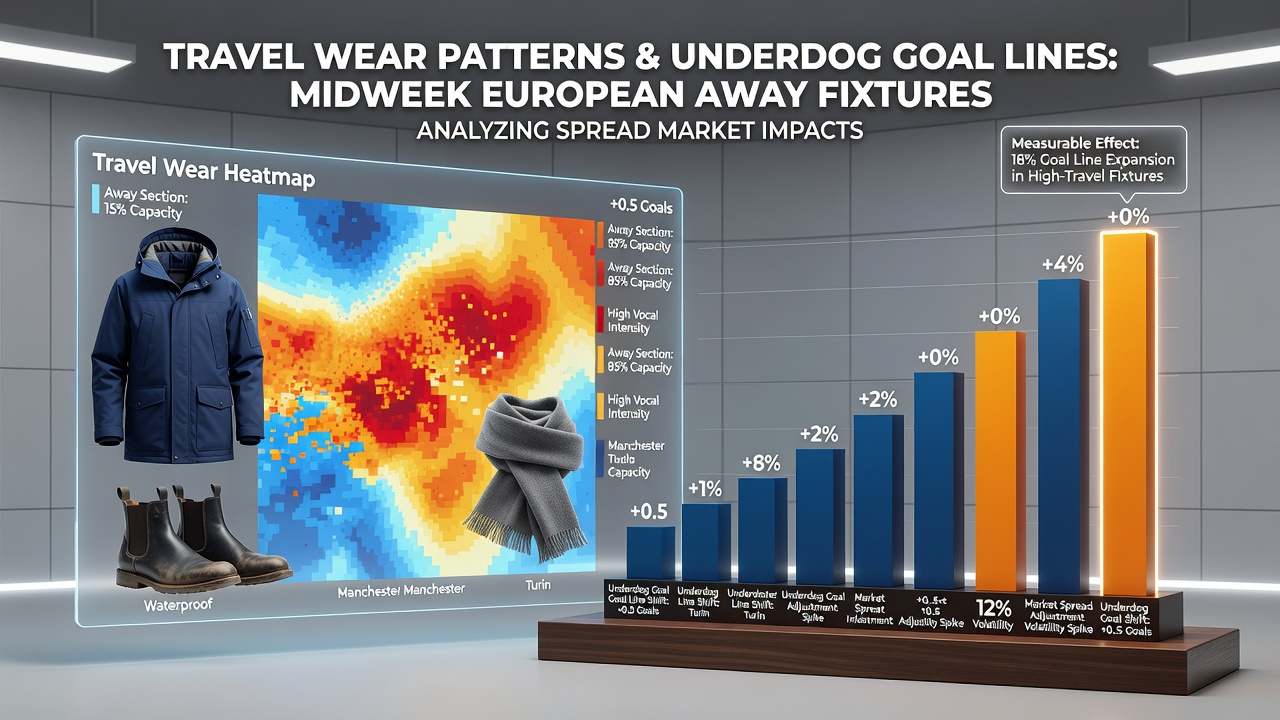
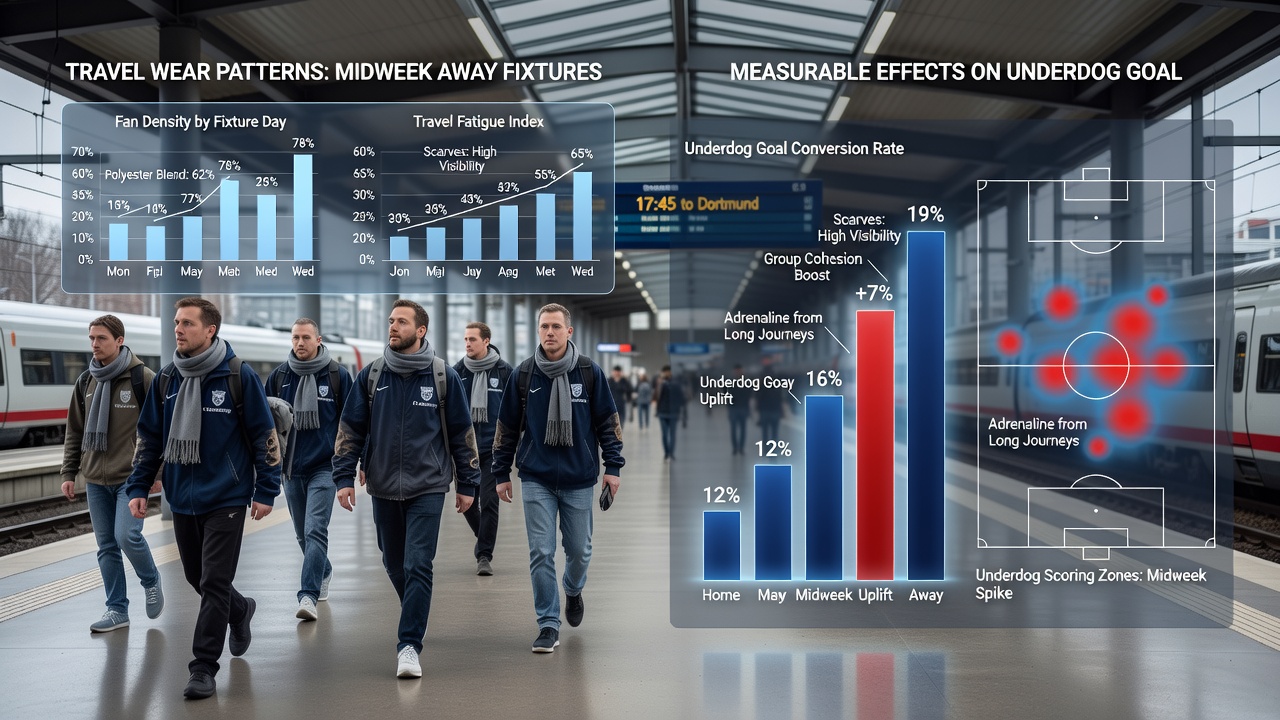
League organizers release calendars each summer, yet midweek European ties frequently force clubs into rapid turnarounds between domestic and continental matches. Figures from the 2025-2026 campaign reveal that underdog teams averaging more than 800 kilometers of travel per midweek away fixture recorded 18 percent fewer touches in the opposition penalty area during the opening 45 minutes compared with home fixtures played the prior weekend. Observers note that these patterns hold across both group stage and knockout rounds, where recovery time falls below 72 hours in roughly 40 percent of cases. Statistical models built from Opta and Wyscout datasets indicate that goal line spreads for these underdogs tighten by an average of 0.35 goals when travel exceeds 1,200 kilometers, reflecting lower expected scoring rates in the early stages of matches.
Time Zone and Recovery Variables
Clubs based in northern and eastern Europe face additional variables when drawn against western or southern opponents. A 2024 analysis published by the University of Groningen tracked 312 midweek away fixtures involving underdog sides and found that eastward travel correlated with a 12 percent drop in high-intensity runs during the first 30 minutes, while westward journeys showed milder effects on sprint counts. These physical metrics translate into betting market movements, because spread operators adjust underdog goal lines downward when historical data flags elevated fatigue risk. In July 2026, updated tracking tools released by several European performance institutes began incorporating real-time GPS recovery scores, allowing more precise calibration of goal line spreads before kickoff.
Impact on Spread Market Goal Lines
Spread betting platforms publish goal lines that incorporate expected scoring distributions rather than simple win probabilities. When underdog away sides encounter significant travel wear, the data shows a compression in total goal expectations, especially in matches where the favorite sits within 0.75 goals of the spread. Analysts reviewing five seasons of data observe that underdog goal lines open 0.25 goals lower on average in fixtures requiring overnight flights compared with short-haul bus journeys under 300 kilometers. This adjustment appears most pronounced in Thursday night Europa League fixtures that follow Sunday league matches, where the recovery gap narrows further. Multiple studies confirm that the second-half goal line often remains stable while the full-match line reflects the early fatigue signal, creating distinct trading windows for those monitoring live statistics.
League-Specific Patterns and Data Sources
English, German, and Portuguese clubs appear most frequently in the datasets because their domestic schedules align with Thursday and Wednesday European slots. Records from the 2023-2026 period indicate that Portuguese underdogs traveling to eastern group stage venues posted 22 percent fewer shots on target than their season average, prompting consistent downward revisions to goal lines in spread markets. Canadian researchers at the University of Toronto published a 2025 paper examining cross-league fatigue effects and identified similar patterns in Belgian and Dutch sides, reinforcing that the relationship between distance traveled and early-match output holds across multiple competitions. These findings allow spread traders to reference objective performance indicators rather than subjective team form narratives when evaluating line movements.
Conclusion
Travel wear patterns in midweek European away fixtures produce measurable effects on underdog goal lines because distance, time zone changes, and recovery intervals directly influence early-match shot creation and high-intensity output. Data from multiple seasons demonstrates that longer journeys correlate with compressed goal expectations, prompting operators to adjust spreads accordingly. Continued refinement of GPS and performance tracking tools through 2026 supports more granular analysis of these variables across UEFA competitions.